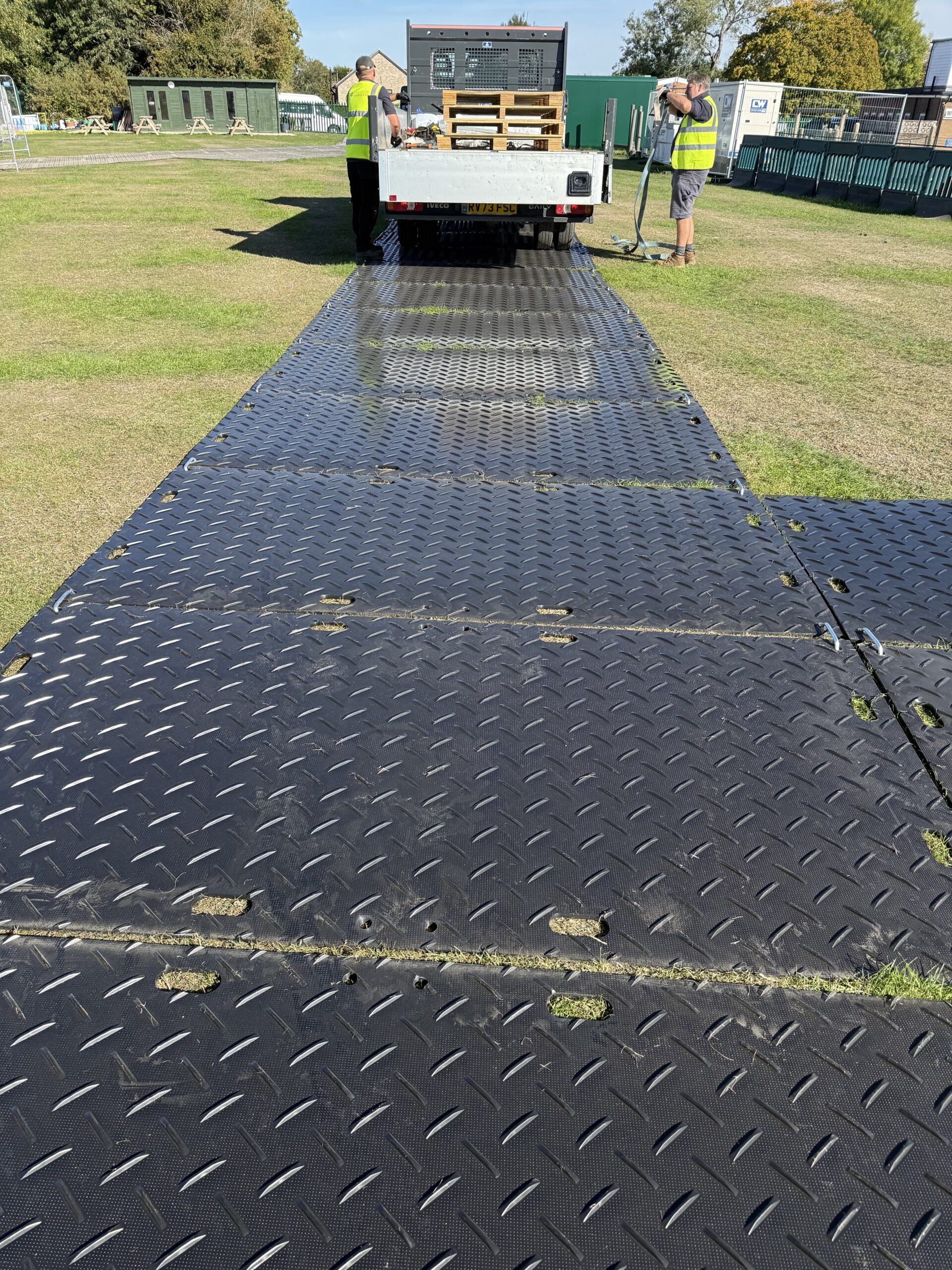
When the ground turns soft and access becomes difficult, a well-designed temporary roadway can make all the difference. From outdoor events and film sets to construction sites and agricultural projects, trackway systems provide safe, stable access for vehicles and pedestrians — whatever the weather brings.
Temporary Roadways: Keeping Events and Projects Moving Whatever the Weather
At Four Seasons Marquees, we’ve expanded our services to include temporary roadway and trackway hire, offering clients across Hampshire, Surrey and London a reliable solution for ground protection and site access. Whether you’re preparing for a major public event or managing winter logistics, our modular systems deliver strength, flexibility and peace of mind.
Why Temporary Roadways Matter
Temporary roadway systems — sometimes called trackway, ground protection mats or temporary access roads — are designed to prevent site damage and maintain accessibility in all conditions. They distribute vehicle weight evenly across the surface, reducing rutting and soil compaction, while keeping vehicles, equipment and people moving safely.
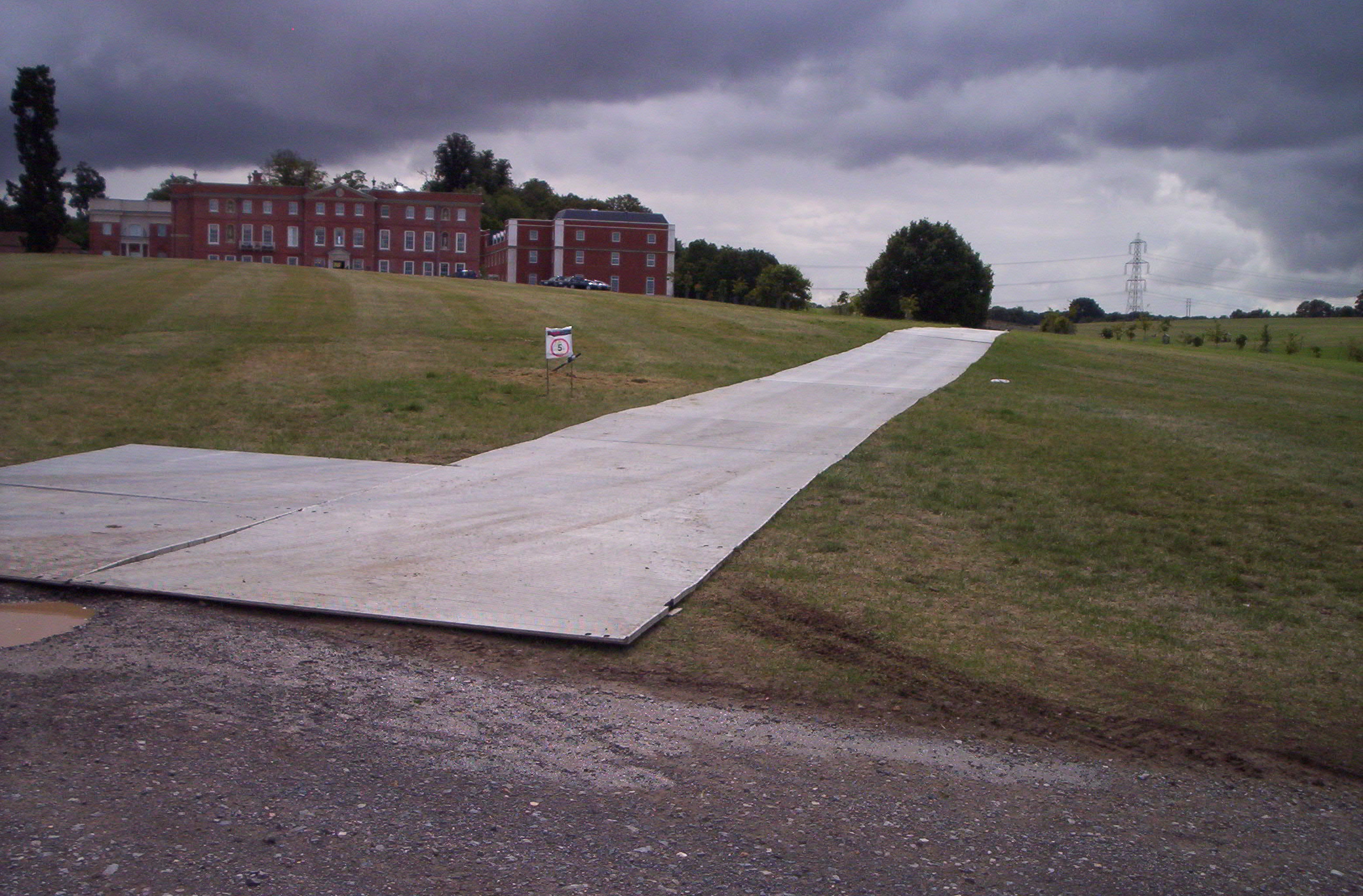
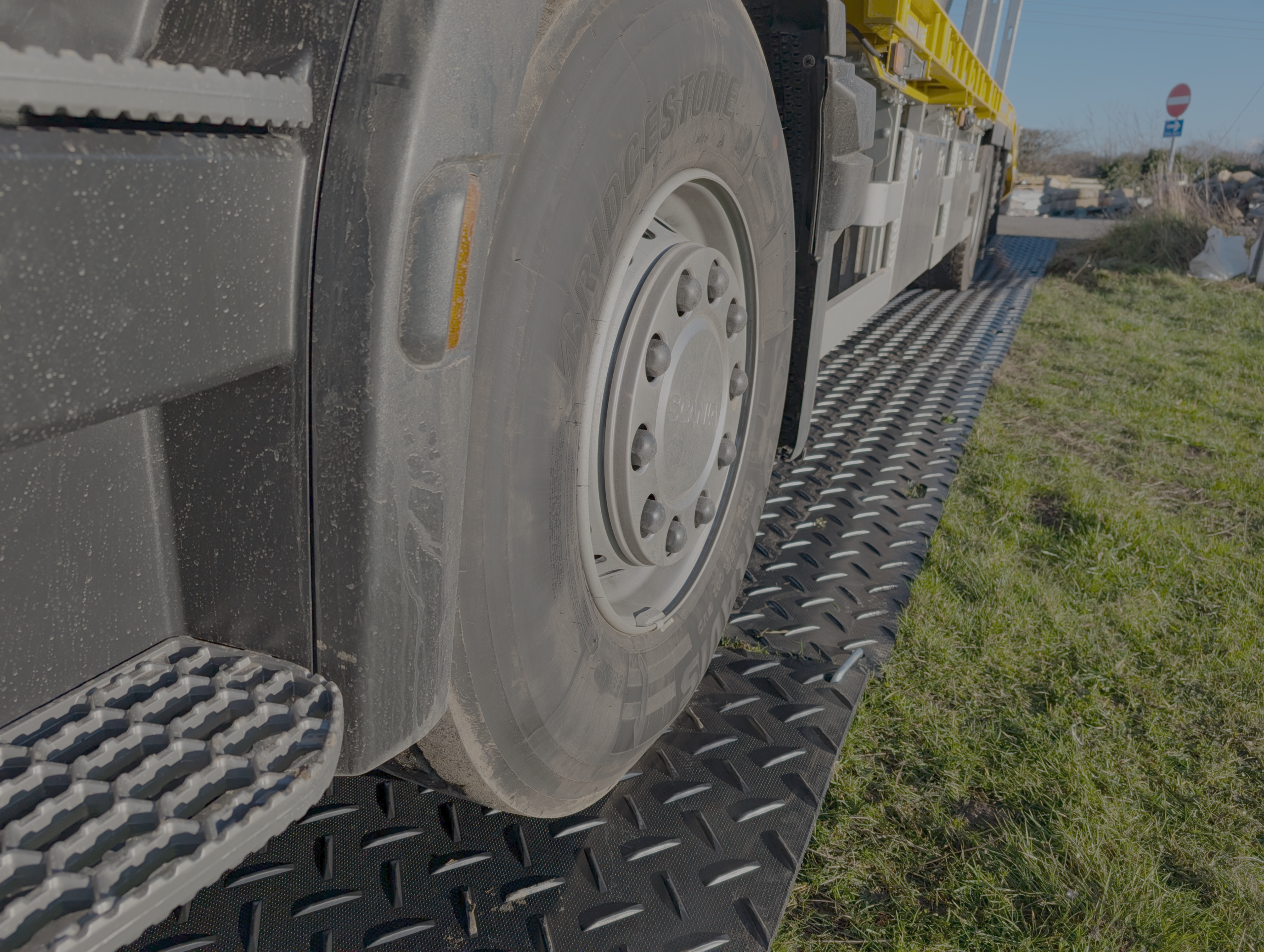
In the UK, unpredictable weather can quickly turn even the most carefully planned site into a logistical challenge. Rain, frost or heavy traffic can leave grassed areas churned up and unsafe. A trackway solution creates an instant, load-bearing surface — ideal for protecting turf, stabilising soft ground, and maintaining access for vehicles up to HGV size.
For project managers, event organisers and landowners, the benefits are clear: less downtime, lower reinstatement costs, and safer working conditions.
How Temporary Roadways Work
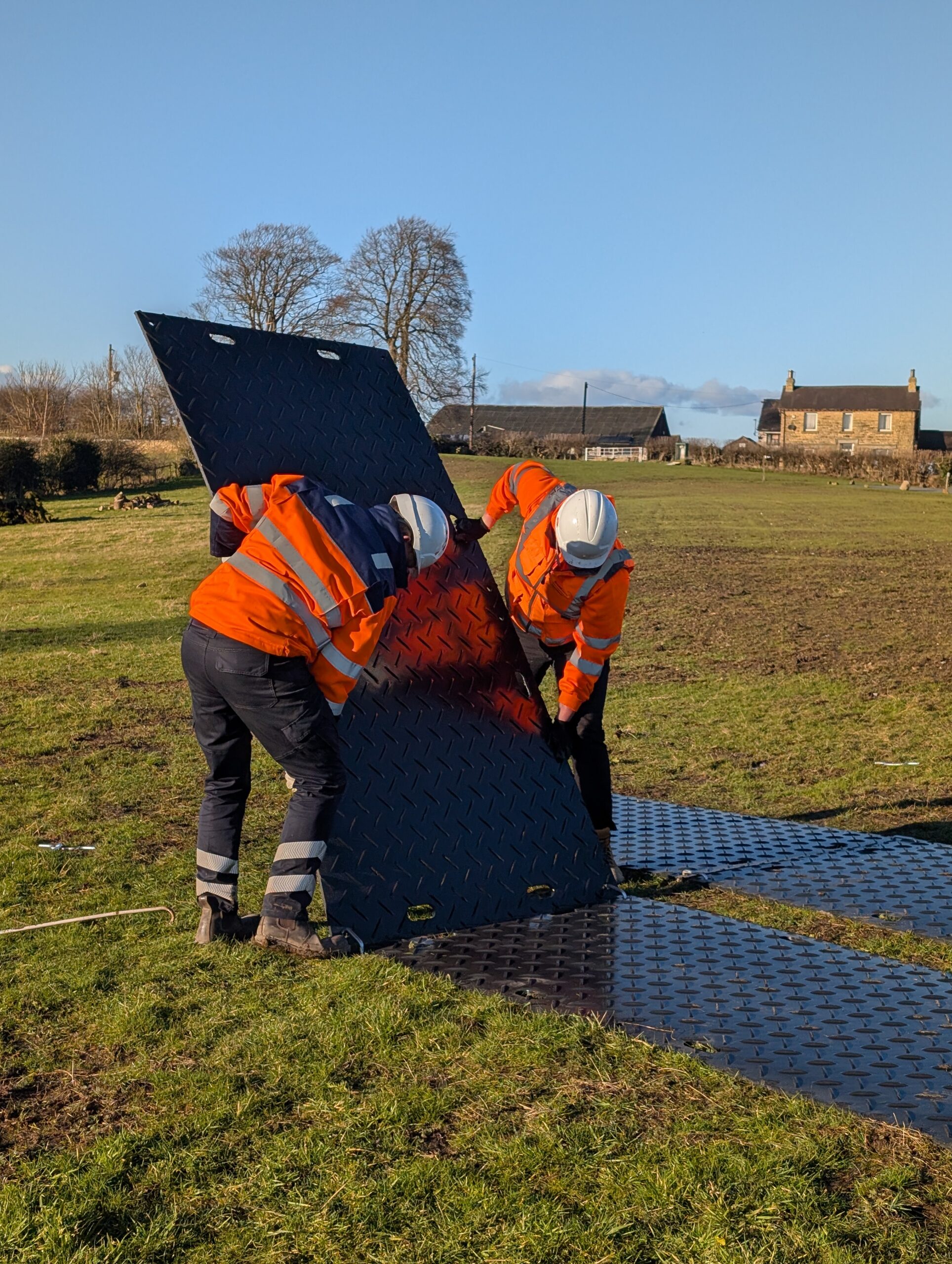
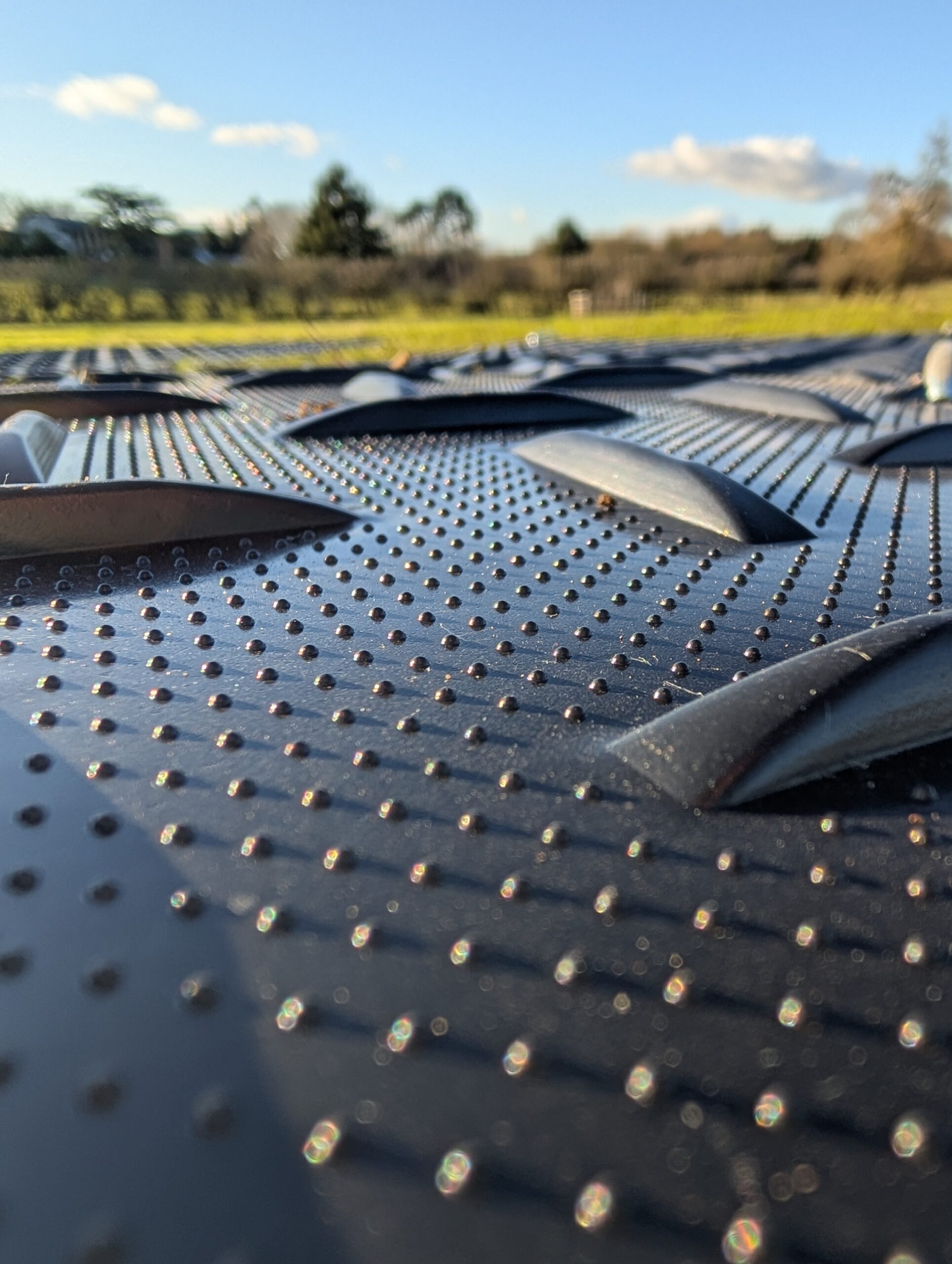
Modern trackway systems are built for efficiency and durability. Made from high-density polyethylene (HDPE) or aluminium, panels interlock to form a continuous surface that adapts to the terrain beneath. They can be laid quickly, even on uneven or sloping ground, and removed just as easily without leaving a trace.
Our systems can support a wide range of applications — from light foot traffic to the heaviest site vehicles. They’re also fully modular, so we can design roadways that curve, extend, or branch exactly where needed.
Applications Across Sectors
Temporary roadways are used anywhere reliable access is needed without the permanence or disruption of traditional surfacing.
Events and Festivals
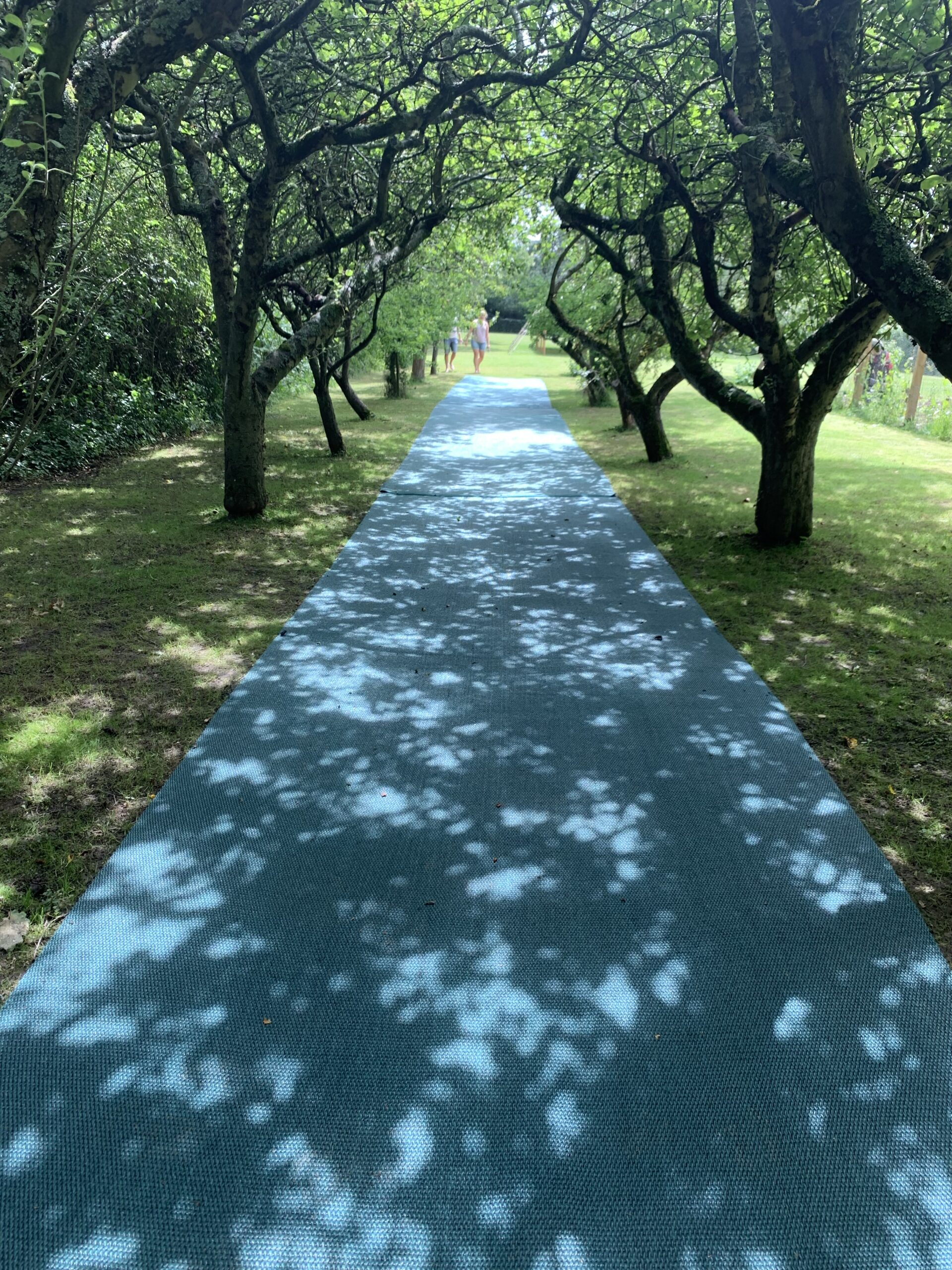
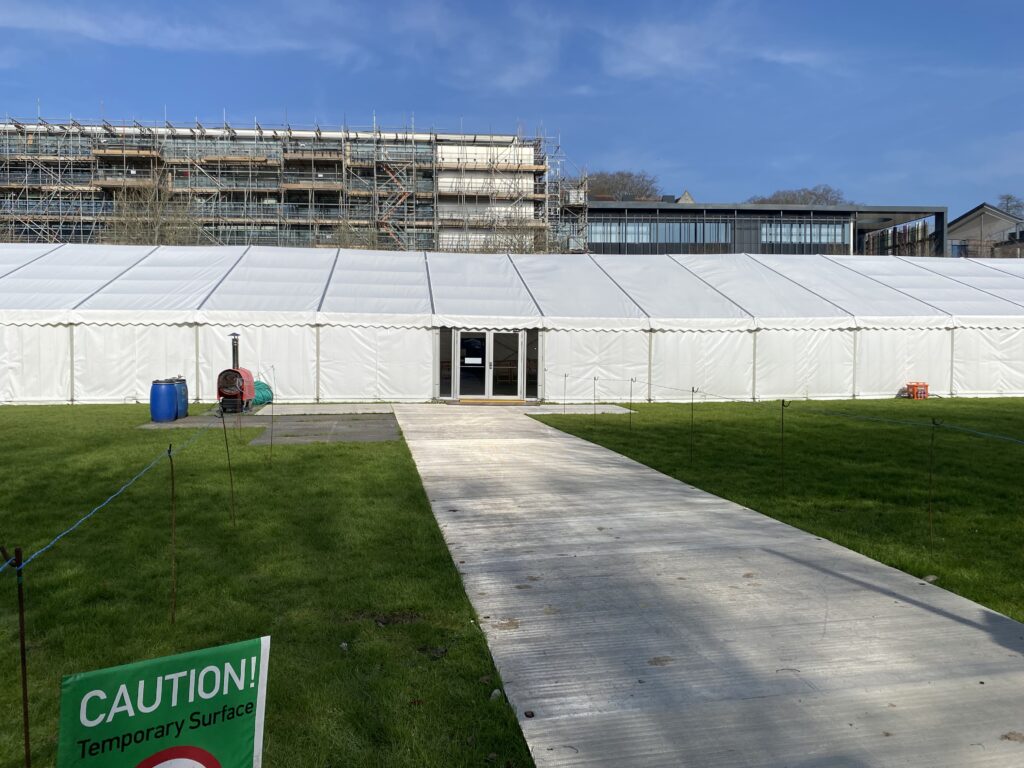
Whether you’re hosting a music festival, Christmas market, or country fair, trackway provides the essential infrastructure to keep suppliers, performers and visitors moving safely. It prevents damage to lawns and parkland while ensuring service vehicles can reach marquees, stages and catering zones.
For event planners, this means peace of mind — even if rain arrives mid-build or mid-event. Combined with Four Seasons Marquees’ event structures, a robust access system ensures your entire site runs smoothly from setup to breakdown.
Construction and Civil Engineering
Access to temporary or remote sites can be a constant challenge in the construction sector, particularly in winter. Trackway offers a cost-effective solution for access roads, compound surfaces, and crane pads, without the need for excavation or permanent materials.
It’s also ideal for protecting underground utilities and landscaped areas while work is underway.
Film, TV and Production
Film and TV crews often work on location where ground conditions are unpredictable. Lightweight, modular roadway allows equipment trucks and camera vehicles to operate safely while preserving natural settings — essential for filming in protected or heritage environments.
Agriculture and Equestrian
Farmers, stables and event organisers use temporary roadways to maintain access across soft fields and paddocks during wet months. They can be laid quickly for seasonal use and stored easily when not required.
Weather-Resilient Access All Year Round
British weather rarely cooperates with outdoor schedules. But with a temporary roadway in place, mud, flooding or frost no longer have to mean delays. HDPE trackway performs reliably in both hot and cold temperatures, offering grip and stability in slippery conditions.
During the wetter months, it can transform a challenging site into a fully operational one within hours. For summer events, it prevents dust and ground erosion, keeping spaces tidy and professional for guests.
This adaptability makes trackway one of the most practical investments for any outdoor enterprise — and a perfect complement to the temporary structures and marquees Four Seasons is known for.
Sustainability and Reuse
Temporary roadways aren’t just about convenience — they’re also an environmentally responsible choice. Each section is reusable over hundreds of installations, reducing waste and the need for materials like gravel or tarmac.
Because the panels can be lifted and redeployed with minimal disturbance to the soil, habitats recover faster, and there’s no need for costly reinstatement. For organisations committed to reducing their environmental footprint, modular trackway provides a clean, circular solution.
We evaluate ground conditions, gradients and load requirements before installation.
Panels are securely laid to create stable access routes, loading bays, or working platforms.
Once your project is complete, we restore the site to its original condition.
Flexible Hire and Expert Support
At Four Seasons Marquees, our approach is built on more than 35 years’ experience delivering reliable temporary infrastructure for clients across southern England. With our new trackway hire service, we extend that expertise beyond marquee structures to the ground beneath them — offering an all-in-one access and protection solution.
We handle every stage in-house:
• Delivery and installation using specialist vehicles
• On-site support throughout your hire period
• Prompt removal at project end
Our systems are suitable for:
• Vehicles up to 60 tonnes
• Short or long-term installations
• Public and private land use
• Outdoor events, construction, logistics, filming and more
No matter the size or scale of your project, we can design and install a temporary roadway that keeps everything running smoothly.
Why Choose Four Seasons Marquees for Trackway Hire
Comprehensive Service – From planning to removal, one point of contact handles every detail.
Proven Expertise – Trusted across Hampshire, Surrey and London for premium event and temporary structure solutions.
Safety First – Every installation meets stringent safety standards, ensuring secure footing and vehicle access.
Fast Deployment – We understand time pressures. Our experienced team can deliver and install at short notice.
Sustainable Operation – Our reusable systems align with modern environmental commitments.
By offering both marquees and trackway, we give clients a complete package — structure and access, ready for any weather.
Get Your Project Moving
If you’re planning an outdoor event, managing a site build, or simply need reliable ground protection, our temporary roadway hire service is designed to keep you moving — safely, efficiently and sustainably.