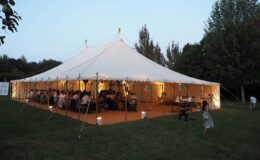
Beyond the Stopgap: How Temporary and Storage Structures Support Long-Term Business Growth
Temporary and storage structures are often associated with urgency — a sudden increase in stock, a disrupted supply chain, or a redevelopment that has overrun. Yet for many organisations, these structures are no longer reactive measures. Instead, they have become a planned and pragmatic part of long-term operational strategy.
Across retail, logistics, education and commercial estates, businesses are increasingly choosing temporary structures not because they lack options, but because they want to preserve flexibility. When space requirements shift faster than property portfolios can adapt, temporary and storage structures offer a controlled, cost-effective way to respond without locking organisations into permanent decisions too early.
Temporary Space in a World That Won’t Stand Still
The way organisations use space has changed. Stock levels fluctuate unpredictably, construction programmes are phased, and long-term leases are harder to justify when business models continue to evolve. Even well-established organisations are now planning for change rather than assuming stability.
Temporary and storage structures fit this reality. They provide usable, compliant space at speed, without the lead times or permanence of traditional construction. Crucially, they allow decision-makers to respond to current pressures while retaining the ability to adapt again in the future.
This shift has seen temporary structures move from being a last resort to a deliberate choice — one that supports resilience, continuity and growth without overcommitting capital or land.
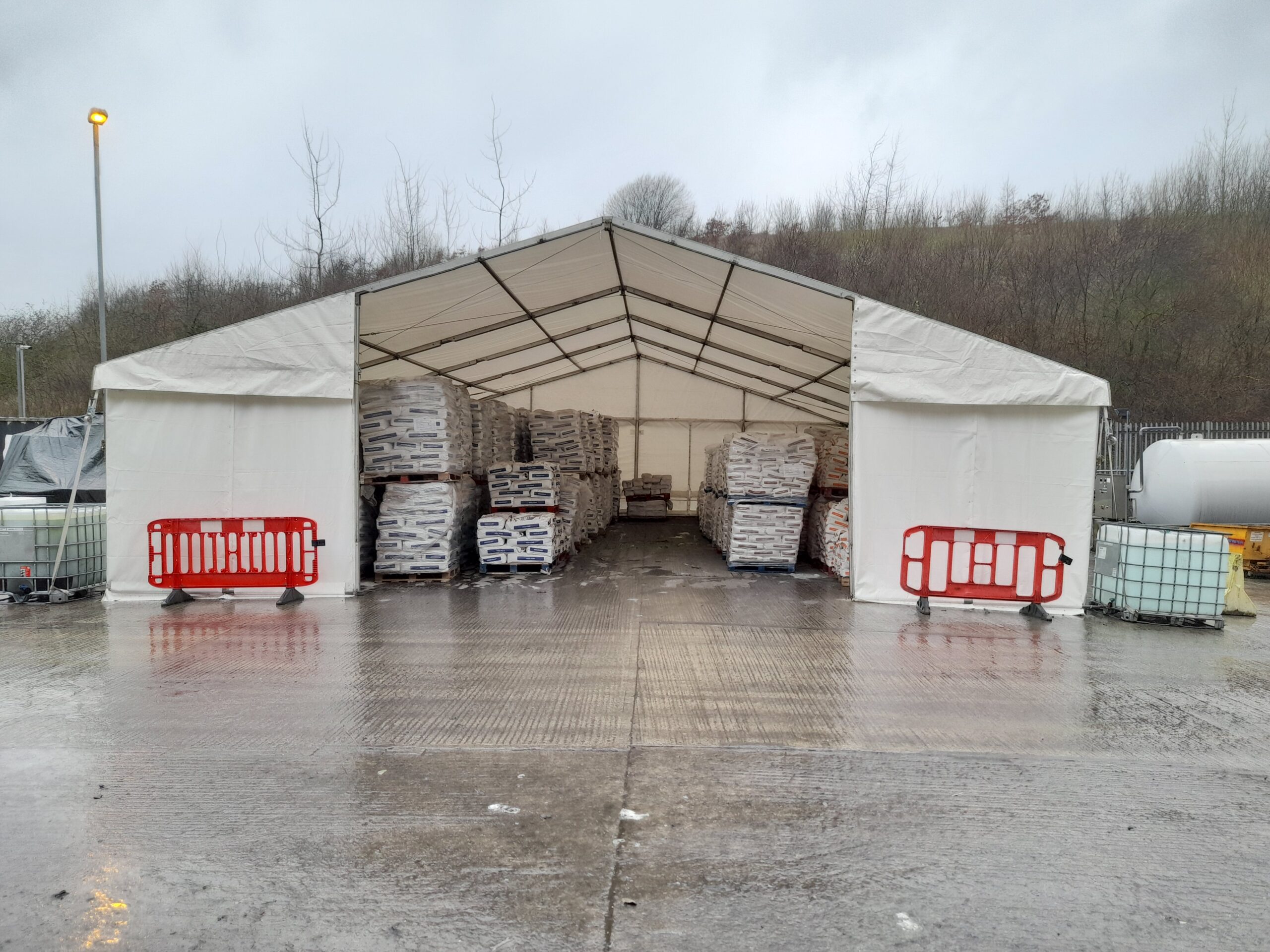
Speed, Cost and Optionality: The Strategic Advantage
When organisations assess space solutions, three factors consistently rise to the top: speed of deployment, cost control, and future flexibility.
Temporary and storage structures perform strongly across all three.
Installation times are measured in weeks rather than months, enabling businesses to become operational quickly. This is particularly valuable where space shortages are affecting revenue, service delivery or compliance. From seasonal retail peaks to phased refurbishments, speed can be the difference between maintaining momentum and falling behind.
From a financial perspective, temporary structures allow organisations to preserve capital. Rather than committing to a permanent build — with all the associated planning, groundworks and long-term obligations — businesses can treat space as an operational cost, scaling it in line with actual demand.
Perhaps most importantly, temporary structures preserve optionality. If requirements change, the structure can be extended, reduced, relocated or removed entirely. In a commercial environment where few decisions are truly final, that flexibility has tangible value.
When Temporary Becomes Semi-Permanent
Despite the name, many temporary and storage structures remain in place for extended periods. Twelve, twenty-four or even thirty-six months is not uncommon, particularly where organisations are navigating redevelopment, lease transitions or ongoing growth.
This does not represent a failure of planning — rather, it reflects realistic operational decision-making. A structure that continues to meet requirements, remains compliant and delivers value does not suddenly become unsuitable simply because it has outlasted an initial estimate.
In some cases, businesses choose to redeploy the same structure seasonally or across multiple sites. In others, long-term hire arrangements allow organisations to benefit from semi-permanent space without the rigidity of ownership.
The key is that these decisions remain reversible. Unlike a permanent extension or warehouse purchase, temporary structures allow organisations to reassess as circumstances evolve.
Designed for Real-World Use, Not Short-Term Cover
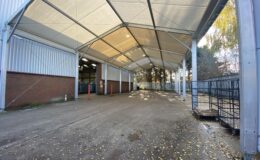
Modern temporary and storage structures are engineered for serious, day-to-day use. Far removed from basic shelters, they can be specified to meet demanding operational and compliance requirements.
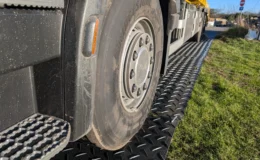
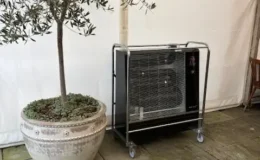
Structural integrity is designed to withstand wind and snow loading appropriate to UK conditions. Flooring systems support heavy loads, racking and vehicle movement. Integrated lighting, temperature control and access solutions ensure that the space works safely and efficiently for staff.
Fire safety, security and controlled access can all be addressed as part of the design, ensuring the structure integrates seamlessly with existing operations. Where required, external finishes and internal layouts can be adapted to reflect brand standards or site-specific considerations.
For organisations operating in public-facing or high-profile environments — particularly across London and the South East — this attention to detail is essential. Temporary does not mean compromising on professionalism or performance.

Working Within Live and Constrained Sites
One of the most valuable attributes of temporary structures is their ability to work around existing sites rather than replacing them. Businesses rarely have the luxury of empty land or paused operations, and space solutions must often be installed within tight constraints.
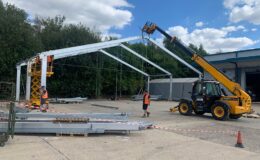
Temporary and storage structures can be positioned on car parks, service yards, grassed areas or irregular footprints, allowing organisations to expand capacity without disrupting core activity. Installation is typically phased and carefully managed, ensuring that staff, customers and contractors can continue to operate safely throughout.
This adaptability is particularly relevant for sites where permanent development is impractical or undesirable — whether due to planning considerations, heritage constraints or the need to preserve outdoor space for future use.
Supporting Business Continuity Through Change
While this article focuses on long-term strategy, it is important to recognise that temporary structures continue to play a critical role in maintaining business continuity during periods of disruption.
Refurbishments, supply chain interruptions, emergency repairs and unexpected demand spikes all require fast, reliable solutions. The difference today is that many organisations now plan for these scenarios in advance, rather than responding under pressure.
By incorporating temporary and storage structures into contingency planning, businesses can respond to change with confidence, knowing that proven, compliant solutions are already available when needed.
A Smarter Approach to Space Planning
Choosing a temporary or storage structure is not simply about solving today’s problem. It is about selecting a space solution that aligns with how the organisation expects to operate tomorrow.
This requires a partner who understands more than just the structure itself. Experience across sectors, familiarity with live environments and an ability to adapt specifications as needs evolve all play a role in delivering long-term value.
At Four Seasons Marquees, temporary and storage structures are approached as strategic assets, not short-term fixes. Each installation is designed around the realities of the site, the operational pressures of the business and the flexibility required for future change.
Looking Beyond Permanence
In an era where agility matters as much as scale, the question is no longer whether a structure is permanent or temporary. The more relevant question is whether it supports the organisation’s ability to adapt.
Temporary and storage structures offer a balanced answer: robust, compliant space delivered at speed, without sacrificing future options. For many businesses, that balance is exactly what long-term growth now demands.