Why a Marquee Site Visit Matters: Planning the Details That Make an Event Feel Effortless
For many hosts, the first idea of a marquee event begins with the look and feel: the shape of the marquee, the view from the entrance, the table layout, the lighting, the flowers, the bar, the music and the moment when guests arrive. These are the details that people naturally picture first.
Yet the success of a marquee event is often shaped long before the first lining is hung or the first table is dressed. It begins with understanding the site itself.
A professional marquee site visit is one of the most important stages in planning a private celebration, wedding, corporate reception, party or large-scale event. It is the point at which an idea becomes practical, the setting is properly assessed, and the details that guests may never consciously notice are carefully resolved.
When a marquee event feels effortless, it is rarely by accident. It is usually because access, layout, flooring, power, heating, lighting, catering, loos, supplier movement and guest flow have all been considered well in advance.
For clients planning events in Hampshire, Surrey, London and the wider South of England, where private homes, country estates, historic venues and landscaped gardens are often part of the setting, this early planning is especially valuable.
More Than Measuring the Lawn
A marquee site visit is sometimes thought of as a simple measuring exercise. How much space is available? What size marquee will fit? Where should it go?
Those questions matter, of course, but a proper site visit goes much further. It considers how the event will actually work from start to finish.
The best position for a marquee is not always the most obvious one. A lawn may look spacious, but there may be gradients, soft ground, hidden services, overhanging trees, restricted access, drainage issues or views that could be used to much better effect. A driveway may appear suitable for deliveries, but turning space for vehicles, unloading distances and protection for lawns or gravel surfaces may need to be reviewed.
At the same time, the marquee has to relate naturally to the host property or venue. Guests need to understand where to arrive, where to gather, where to dine, where to dance, where to find the bar, and how to move comfortably between spaces throughout the event.
A site visit allows these details to be planned with the setting, rather than imposed upon it.

Understanding the Character of the Setting
Every marquee site has its own character. A private garden in Surrey may require a different approach from a country house in Hampshire or a corporate event space in London. Some sites are open and level. Others are intimate, sloping, enclosed or architecturally sensitive.
For premium private events, the relationship between the marquee and its surroundings is central to the atmosphere. The marquee should feel as though it belongs in the space, even though it may only be there temporarily. Its position should make the most of the outlook, the house, the garden, the evening light and the natural movement of guests.
This is where experience matters. A site visit helps identify whether guests should enter through a main marquee entrance, a walkway, a pagoda, an awning or a linked structure. It also helps establish where service areas should be placed so they remain efficient but discreet.
For weddings, that might mean creating a graceful arrival route from the ceremony to the reception. For private parties, it may involve keeping the bar, dining area and dance floor connected without making the space feel crowded. For corporate events, it may mean balancing presentation areas, hospitality spaces and practical access for equipment or catering.
The aim is always the same: to create a setting that looks considered, feels comfortable and works beautifully in practice.

Planning Guest Flow from Arrival to Departure
Guest flow is one of the most important aspects of marquee event planning, yet it can easily be overlooked in the early stages.
A successful event has a natural rhythm. Guests arrive, are welcomed, move towards drinks, find cloakrooms or loos, transition to dining, gather around the bar, move towards music or entertainment, and eventually leave safely and comfortably.
If these movements have not been planned, the event can begin to feel disjointed. Guests may cluster in the wrong place, catering teams may have to cross public areas, queues may form at pinch points, or key features such as the bar or dance floor may not draw people through the space as intended.
A site visit allows these patterns to be considered before the marquee layout is confirmed. It helps answer practical questions such as:
- Where will guests arrive?
- Is the entrance visible and welcoming?
- Will there be enough space for reception drinks?
- How will guests move between the house, garden and marquee?
- Where should the bar be placed to support the atmosphere?
- Can caterers operate efficiently without interrupting the guest experience?
- Where should luxury toilets be positioned so they are accessible but discreet?
- Will guests have safe, well-lit routes after dark?
These questions may seem simple, but collectively they make a significant difference to the quality of the event.

Access: The Detail That Affects Everything
Access is one of the most practical reasons for a marquee site visit. It affects installation, supplier logistics, guest arrival, catering, servicing and collection.
For private homes and rural venues, access can be more complex than it first appears. Narrow lanes, gated entrances, gravel drives, soft lawns, ornamental planting, trees, steps and changes in level can all influence how the marquee and associated equipment are delivered and installed.
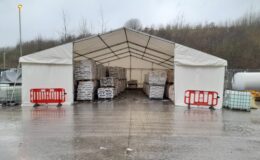
A professional site visit will consider vehicle access, unloading points, the distance between parking and the marquee position, and whether ground protection may be needed. This is particularly important for larger events or sites where lawns, pathways and landscaped areas must be protected.
Temporary roadway or trackway may be recommended where the ground is soft, where vehicles need to cross grass, or where equipment needs to be delivered without damaging the site. In winter or after periods of heavy rain, this can be essential. Even in summer, it can be a prudent safeguard for valuable grounds or private gardens.
Access planning is not only about suppliers. Guests also need to arrive and leave with ease. Parking, drop-off points, disabled access, lighting and walking routes should all be considered. Where events continue into the evening, external lighting and safe routes become especially important.
Handled well, access becomes invisible. Guests simply arrive, move comfortably and enjoy the occasion. Handled poorly, it can affect the entire event.
Layout: Turning a Marquee into a Complete Event Space
A marquee is not just a covered area. It is an event space with its own internal architecture.
The site visit helps shape that space properly. Once the setting has been assessed, the layout can be developed around the guest numbers, event style, catering arrangements and desired atmosphere.
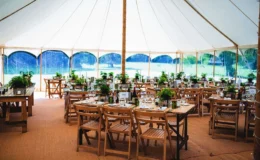
For a formal dinner, the focus may be on table spacing, sightlines, service routes and the relationship between dining and speeches. For a wedding, the layout may need to allow for a reception area, dining space, dance floor, band or DJ, bar, cake table, lounge furniture and possibly a linked catering tent. For a corporate event, there may be presentation areas, registration desks, branded features, exhibition stands or breakout spaces.
A good layout avoids both extremes: a marquee that feels too cramped and one that feels too sparse. It should give the event energy without making it uncomfortable. It should also allow suppliers to do their work smoothly behind the scenes.
This is where floor planning becomes invaluable. A carefully considered plan helps clients visualise the space before the marquee is installed. It also gives caterers, florists, production teams and event planners a shared reference point.
The site visit provides the information that makes that plan accurate. It confirms not only what can fit, but what will work.
Floor Plans

Flooring, Levels and Comfort Underfoot
Flooring is one of the details that has a major effect on the finish and comfort of a marquee. During a site visit, the ground can be assessed for level, firmness and suitability.
A lawn may appear level at a glance, but even a gentle slope can influence the feel of the space. It may affect table positioning, dance floor installation, furniture stability and guest comfort. The right flooring solution can help create a more polished and practical environment, particularly for formal occasions.
Flooring also affects how the marquee feels as an interior. It helps define the space and can elevate the whole event, especially when combined with linings, carpets, matting, lighting and furniture.
For events at private homes or country properties, flooring also has a protective role. It can help preserve lawns and provide a stable surface for guests, staff and suppliers.
A site visit allows the marquee team to advise on the most appropriate flooring arrangement for the site, the season and the tone of the event.
Suggested internal link: Interiors & Flooring
Power, Heating and Lighting: The Invisible Infrastructure
Some of the most important event details are the ones guests should not have to think about.
Power, heating and lighting are central to comfort, safety and atmosphere. They also require careful planning. A site visit helps establish where generators may be positioned, how cables can be routed discreetly and safely, and what power requirements may be needed for lighting, catering, music, bars, heating and production equipment.
For evening events, lighting needs to be considered both inside and outside the marquee. Internal lighting creates mood and definition, while external lighting helps guests move safely between the marquee, parking areas, loos, pathways and the main property.
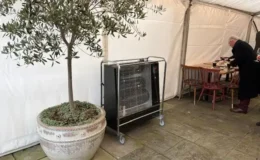
Heating also needs to be planned around the time of year, the size of the marquee, the number of guests and the nature of the event. A wedding breakfast in spring will have different requirements from a winter party or an autumn corporate reception.
The site visit makes it possible to plan comfort without compromising the look of the event. Equipment can be positioned thoughtfully, cabling can be managed, and the finished space can retain the elegance clients expect.
Suggested internal link: Heating & Power
Suggested internal link: Marquee Lighting
Catering and Back-of-House Planning
Catering is another area where a site visit can prevent problems later.
A beautifully dressed marquee still needs to function as a working event space. Caterers may require a separate catering tent, access to power and water, preparation areas, refrigeration, service routes and discreet waste management. Their location in relation to the main marquee can have a significant effect on service quality.
If the catering area is too far away, service can become slow or difficult. If it is too visible, it may affect the look and atmosphere of the event. If access is awkward, suppliers may struggle during setup or service.
A site visit helps place catering facilities where they can work efficiently while remaining appropriately out of sight. It also allows the marquee provider to coordinate with other suppliers and ensure that the practical requirements of the event are properly supported.
For high-end events, these details matter. Guests may not see the planning behind them, but they will notice if service feels smooth, timely and well managed.
Suggested internal link: Marquee Venues & Event Catering
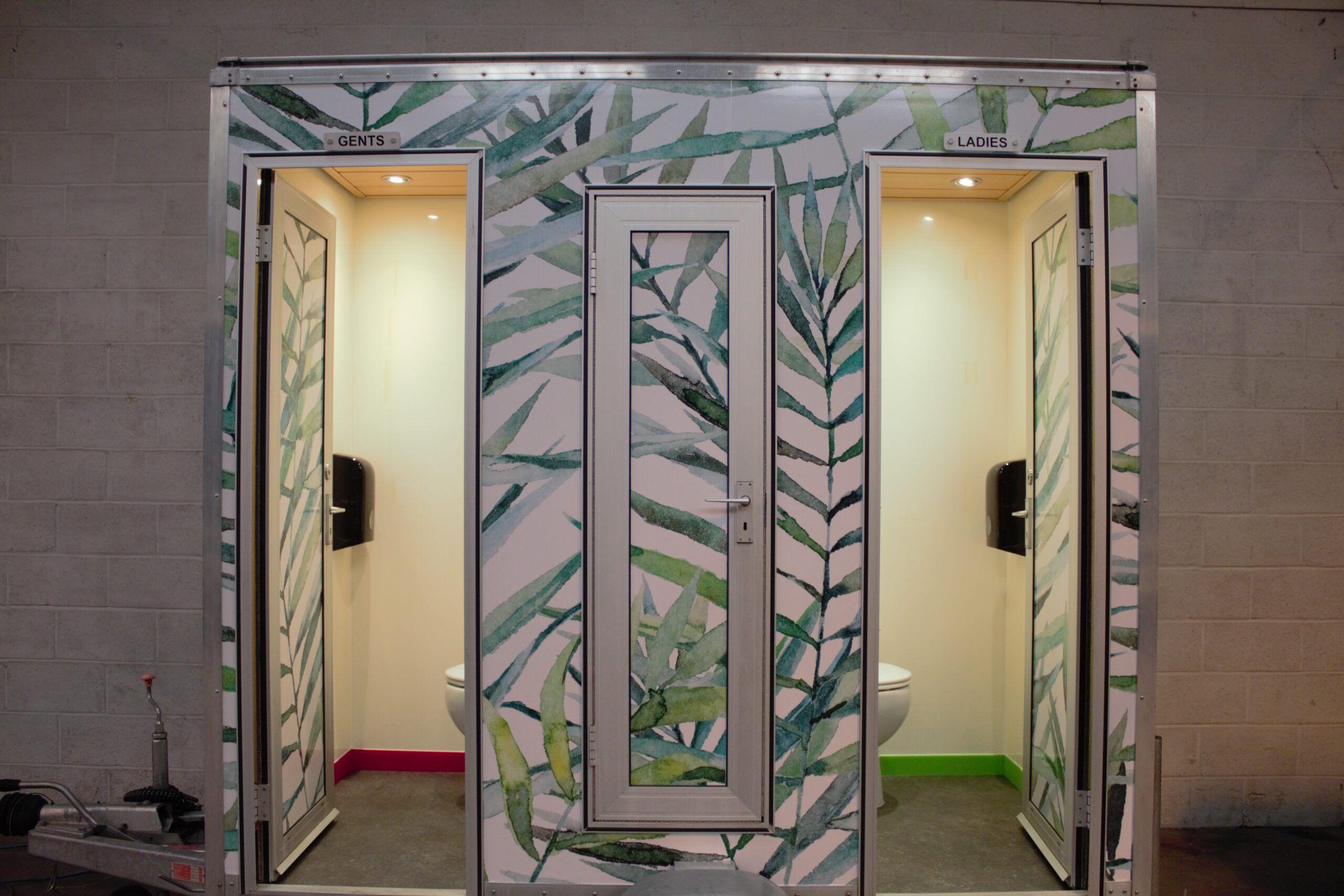
Luxury Loos and the Complete Guest Experience
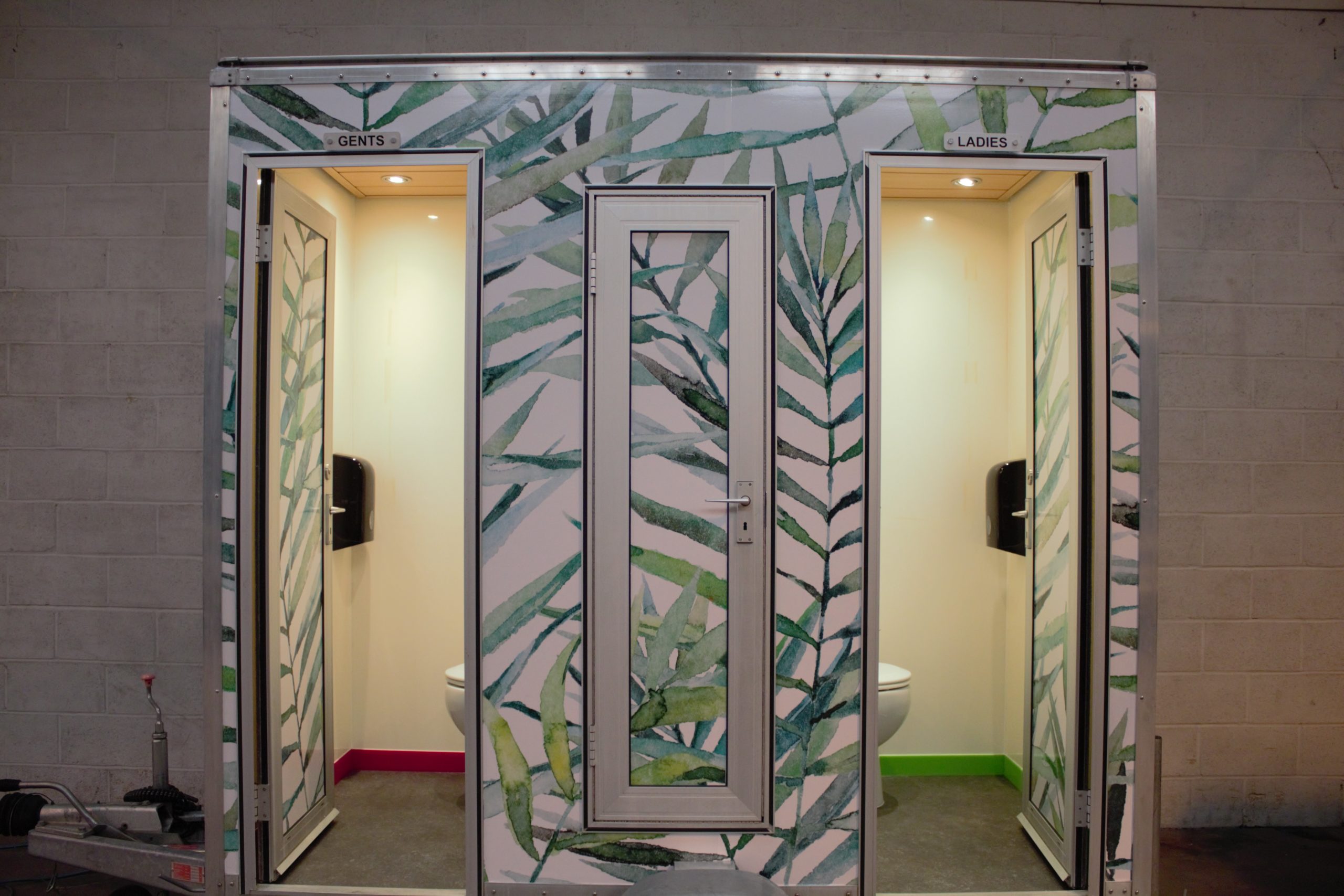
Portable loos are sometimes treated as an afterthought, but for a well-planned marquee event they should be considered part of the overall guest experience.
The quality, location and accessibility of toilet facilities can have a direct impact on how comfortable guests feel. For private weddings, parties and corporate hospitality, luxury toilet hire helps ensure that the standard of the event extends beyond the marquee itself.
A site visit helps determine where loos should be placed. They need to be close enough for guests to access easily, but discreetly positioned so they do not interrupt the appearance or flow of the event. They may also require level ground, service access and lighting after dark.
This is a perfect example of why site planning matters. The best arrangements are often the ones guests barely notice because they simply work.
Protecting Private Homes, Gardens and Venues
Many marquee events take place in settings that are personally or commercially valuable: private gardens, country houses, schools, estates, historic venues, corporate grounds and landscaped outdoor spaces.
A site visit helps protect those environments. It allows potential pressure points to be identified early, including vehicle routes, lawn protection, tree positions, flower beds, irrigation systems, steps, walls, terraces and delicate surfaces.
This is particularly important when the event is being held at a private home. The client may want the celebration to feel generous and impressive, but not at the expense of the garden or property.
Careful marquee planning respects the setting. It considers how the structure will be installed, how suppliers will move, where guests will walk and how the site will be returned afterwards.
For many clients, this reassurance is as important as the marquee itself.
Why Early Planning Leads to a Better Event
A site visit is most valuable when it happens early enough to shape the planning properly.
Leaving practical decisions until late in the process can lead to compromises. The marquee may fit, but the catering access may be awkward. The view may be beautiful, but guest routes may be poorly lit. The layout may look good on paper, but the ground may not support it as expected. The power requirements may grow as more suppliers are added.
Early planning allows these elements to be coordinated from the outset. It gives clients a clearer understanding of what is possible, where the marquee should go and how the event will work in reality.
It can also help with budgeting. By understanding the site properly, the marquee provider can advise on the equipment and infrastructure genuinely required, rather than making assumptions. This helps avoid late additions and last-minute adjustments.
Most importantly, it gives the client confidence. They can make decisions knowing that the practical details have been considered by people who understand both marquees and events.
Creating an Event That Feels Effortless
The purpose of a marquee site visit is not to make the planning feel more complicated. It is to make the event itself feel easier, smoother and more refined.
Guests should not be aware of the calculations behind the layout, the access route chosen for suppliers, the generator position, the cable runs, the flooring adjustments, the catering tent placement or the lighting route to the loos. They should simply experience a well-planned event in a beautiful setting.
That is the value of proper preparation. It allows the host to focus on the occasion, confident that the structure, layout and practical details have been designed around the site.
For weddings, parties, corporate events and private celebrations across Hampshire, Surrey, London and the South of England, a marquee site visit is one of the first steps towards creating an event that feels polished, comfortable and entirely personal.
Planning Your Marquee Event with Four Seasons Marquees
Every site is different, and every event has its own priorities. Some clients begin with a clear idea of the marquee they want. Others know the occasion, the guest numbers and the atmosphere they hope to create, but need guidance on how best to use the space available.
A professional site visit brings those ideas together. It turns early conversations into a practical plan, helping to define the marquee position, layout, access, guest flow and supporting details that will shape the whole event.
Whether you are planning a wedding in a private garden, a party at home, a corporate reception, a seasonal celebration or a larger temporary event space, Four Seasons Marquees can help assess the site and advise on the most suitable approach.
From the main marquee structure to flooring, lighting, heating, power, furniture, catering areas, temporary access and luxury loos, the right planning ensures every part of the event feels considered.
To begin planning your marquee event, contact Four Seasons Marquees to arrange an initial conversation or site visit.