
Keeping Business Moving in Wet Weather: Temporary Roadways and Marquee Solutions
Prolonged periods of rain can create significant challenges for businesses operating outdoors. Soft ground, restricted vehicle access and exposed working areas can disrupt deliveries, delay projects and make otherwise straightforward operations considerably more difficult.
For businesses across Hampshire, Surrey, London and the South of England, managing these conditions is an important part of maintaining operational continuity.
Fortunately, wet weather does not always have to bring work to a standstill. Temporary roadways, ground protection systems and purpose-designed marquee structures can provide practical solutions, allowing businesses to maintain access, protect equipment and continue working through challenging conditions.
At Four Seasons Marquees, we provide both temporary structures and roadway solutions, helping organisations create functional working environments when permanent infrastructure is unavailable or unsuitable.
The Hidden Costs of Wet Weather Disruption
Rainfall can affect business operations in ways that extend well beyond the immediate inconvenience of working outdoors.
Construction projects may experience delays when delivery vehicles cannot safely reach their destination. Agricultural businesses can struggle to move equipment across saturated ground. Outdoor storage areas may become difficult to access, while exposed materials and machinery require additional protection.
Even businesses with established premises can encounter difficulties when temporary projects, refurbishment work or increased activity place additional demands on outdoor space.
The consequences can include:
- Delayed deliveries and interrupted supply chains.
- Damage to grassed areas, access routes and landscaped grounds.
- Reduced productivity when outdoor working conditions deteriorate.
- Increased costs associated with vehicle recovery or ground reinstatement.
- Damage to equipment and materials exposed to prolonged rainfall.
- Restrictions on access for contractors, suppliers and service vehicles.
Addressing these risks before conditions deteriorate can be considerably more economical than responding once a site has become difficult to use.
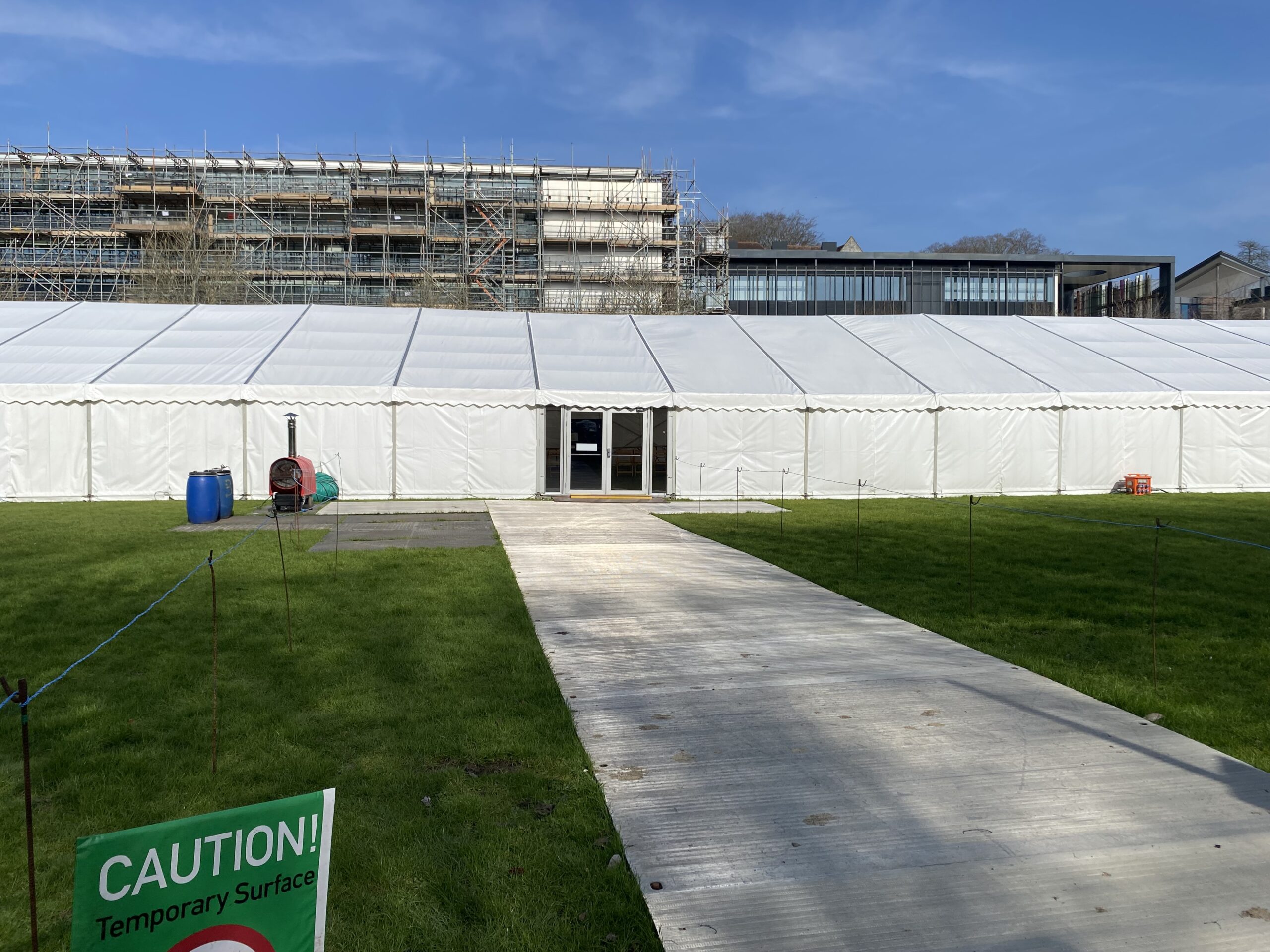
Temporary Roadways: Maintaining Access Across Wet Ground
One of the most immediate challenges during prolonged wet weather is maintaining reliable access.
Ground that comfortably supports vehicles during dry conditions can quickly become unsuitable following sustained rainfall. Repeated movements by delivery vehicles, forklifts and other equipment may cause rutting, surface damage and increasingly difficult driving conditions.
Temporary roadway systems provide a practical way to maintain vehicle access while protecting the underlying ground.
Using modular trackway panels, temporary access routes can be established across grass, soil and other vulnerable surfaces.
Unlike permanent road construction, temporary roadway systems can be installed for a defined period and subsequently removed when no longer required.
This makes them particularly useful for businesses that need additional access without committing to permanent infrastructure.
Where Temporary Roadways Are Most Useful
Temporary roadway hire can support a wide range of commercial activities.
Construction and refurbishment projects
Building sites frequently require temporary access for delivery vehicles, contractors and equipment. Where existing ground conditions are unsuitable, trackway systems can provide a more dependable route into working areas.
Agricultural and rural businesses
Farms, estates and agricultural enterprises often need to move vehicles and equipment across land that becomes difficult to access during wetter months. Temporary roadways can help maintain essential movements while reducing damage to vulnerable ground.
Commercial and industrial premises
Businesses undergoing expansion, refurbishment or temporary changes to their operations may need additional vehicle routes, loading areas or access to outdoor storage facilities.
Film and television production
Location filming frequently involves equipment vehicles and production teams operating in rural or landscaped environments. Temporary roadway systems can help protect the location while providing access for essential equipment.
Estates and managed grounds
Country estates, educational establishments and large private properties may require temporary access for maintenance projects, contractors or seasonal activities without permanently altering their grounds.
In each case, the appropriate roadway specification will depend on vehicle weights, ground conditions, gradients and the duration of use.
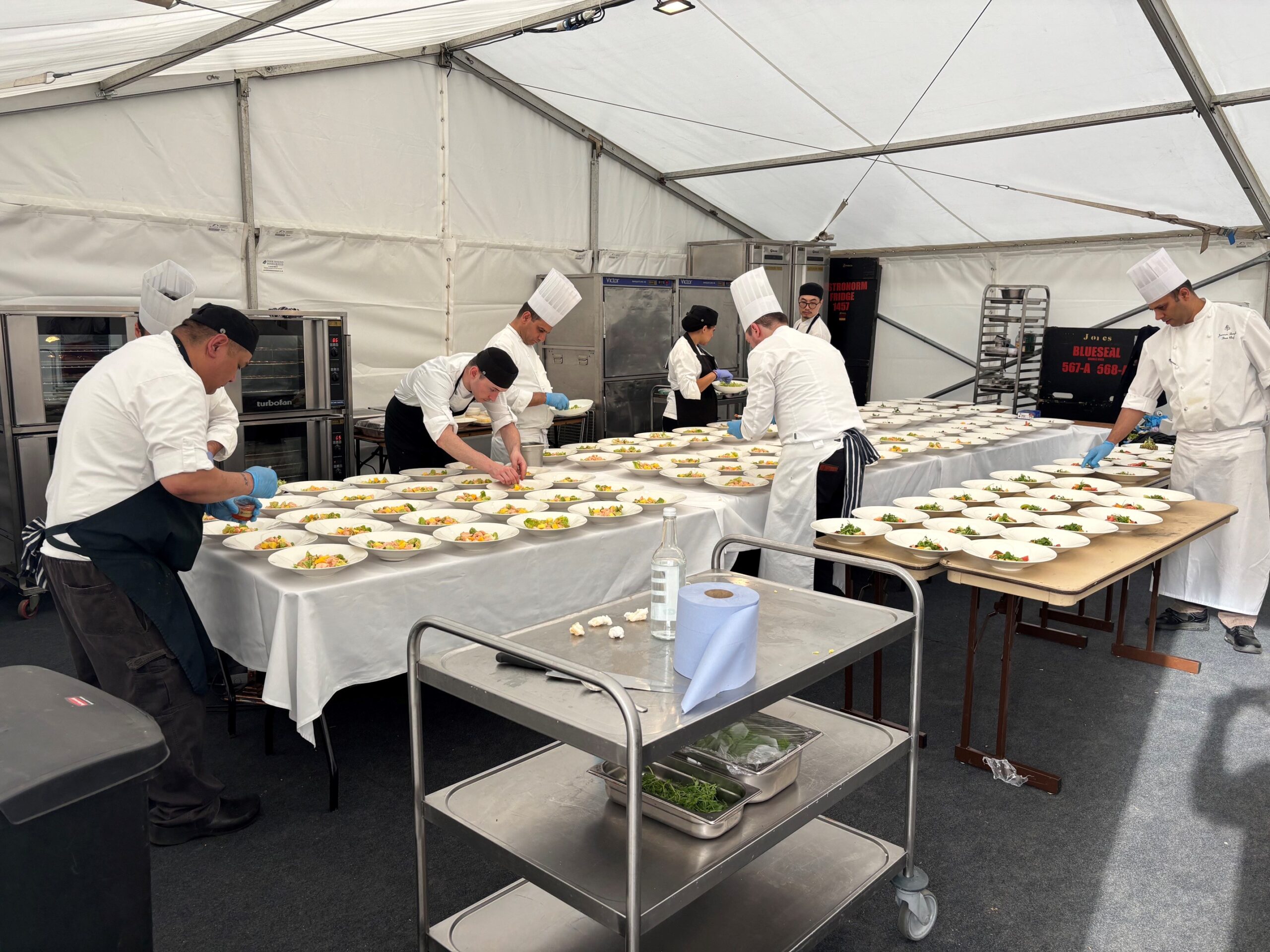
Temporary Marquees: Creating Protected Working Space
Maintaining vehicle access is only part of the challenge. Businesses also need somewhere suitable for people, equipment and materials to operate.
When existing buildings cannot accommodate additional activity, temporary marquee structures can provide valuable covered space.
Modern clear-span frame marquees are particularly versatile because they offer unobstructed internal areas without supporting centre poles.
Depending on the requirements of the project, these structures can be used for:
- Temporary workshops and production areas.
- Covered loading and unloading operations.
- Protection of materials and equipment.
- Additional storage during refurbishment or expansion.
- Temporary maintenance facilities.
- Covered operational space alongside existing buildings.
For businesses experiencing seasonal increases in activity, temporary structures can also provide additional capacity without the expense or commitment associated with constructing permanent premises.
Four Seasons Marquees offers temporary structures in a range of sizes, with options for flooring, lighting, heating and connections to existing buildings.
The result is a flexible working environment that can be tailored to the requirements of the business.
Combining Temporary Roadways and Marquees
Although temporary roadways and marquees are useful individually, combining them can provide a more comprehensive solution.
Consider a business that needs to establish an additional covered storage or working area on land adjacent to its existing premises.
A temporary marquee can provide the required protection from the weather, but the structure will be of limited practical value if delivery vehicles cannot reach it during periods of heavy rain.
By incorporating a suitable temporary roadway into the installation, the business can create both the additional workspace and the access needed to use it effectively.
The same principle applies to construction projects, agricultural operations and temporary maintenance facilities.
The key is to consider the complete working environment, rather than treating access and shelter as separate requirements.
This integrated approach can simplify planning and help ensure that each element works effectively with the others.
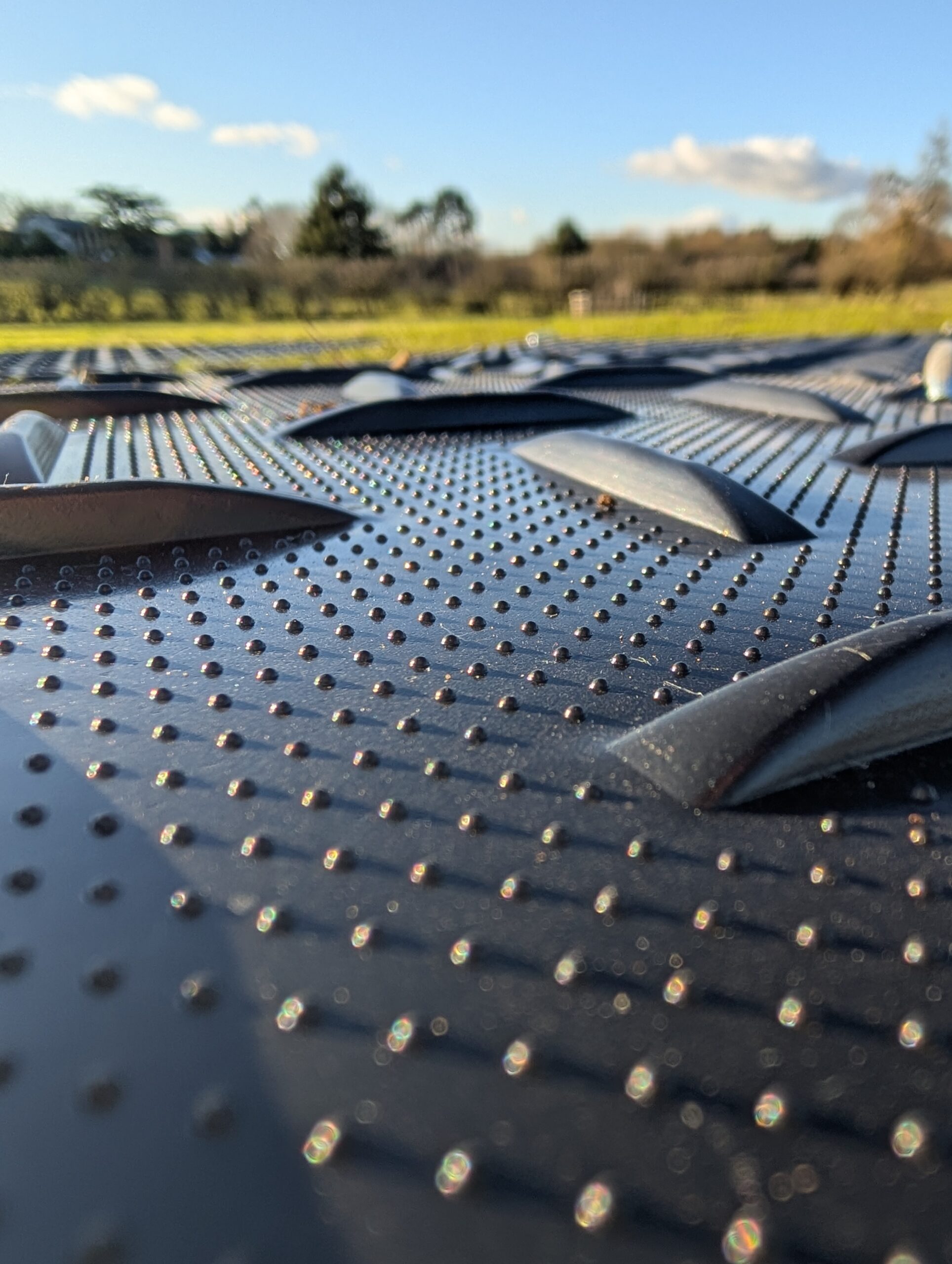
Protecting Valuable Grounds and Existing Surfaces
For many organisations, preventing damage to the site is just as important as maintaining access.
Repeated vehicle movements across wet grass can cause significant deterioration, particularly where heavy equipment or frequent deliveries are involved.
The resulting damage may require extensive reinstatement once the project has finished.
Temporary roadway systems distribute loads across a wider surface area, helping to reduce localised pressure on vulnerable ground.
This can be particularly valuable for businesses operating on landscaped premises, private estates, educational grounds or other locations where preserving the condition of the land is important.
However, temporary roadway systems do not eliminate every risk associated with saturated ground. The suitability of the installation must be assessed in relation to the underlying soil, drainage conditions and expected vehicle loads.
Careful site planning is therefore essential.
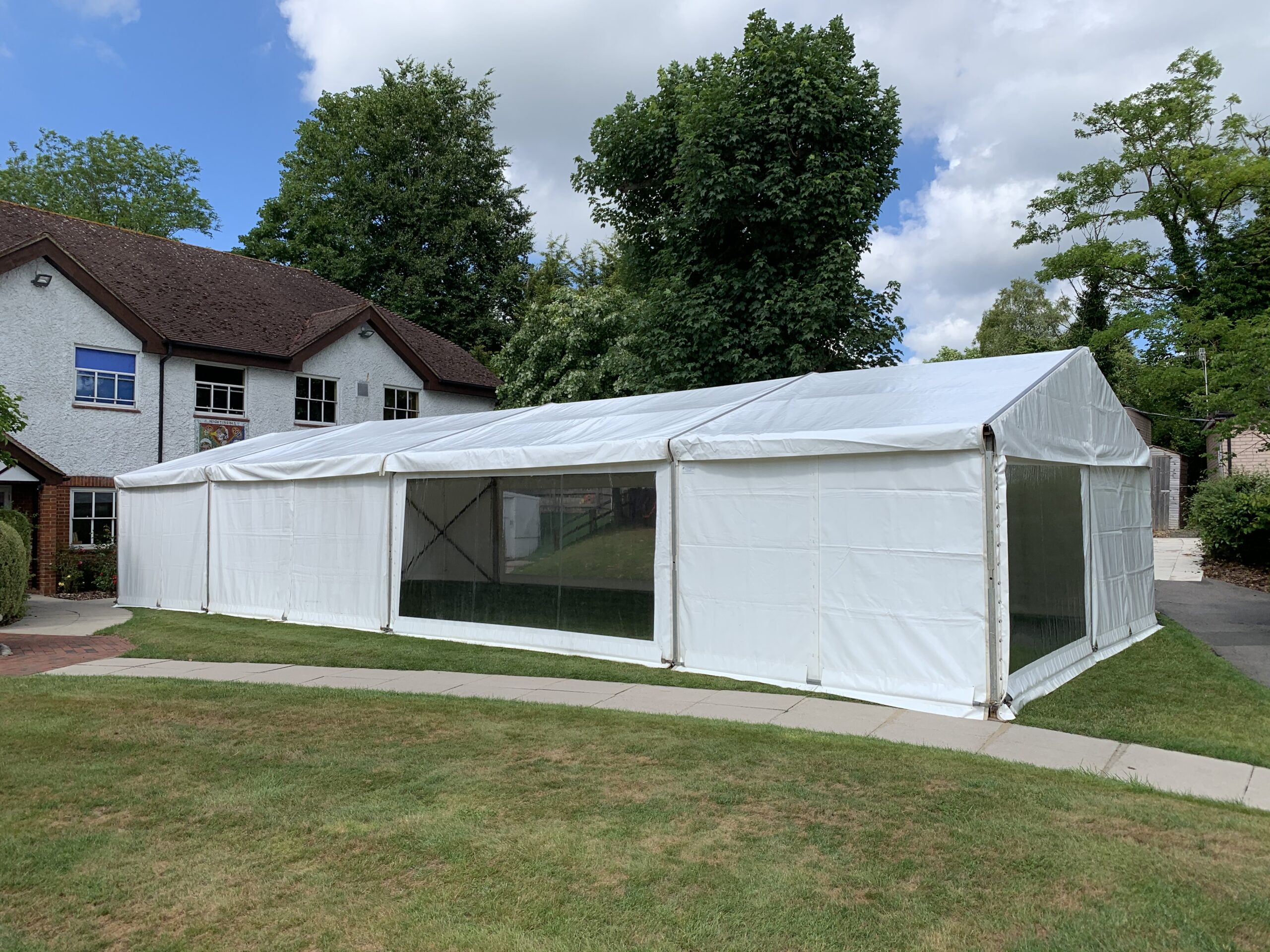
Planning for Wet Weather Before It Becomes a Problem
Temporary infrastructure is often associated with responding to unexpected circumstances.https://www.fourseasonsmarquees.co.uk/winter-marquees/ In practice, its greatest value can come from anticipating difficulties before they arise.
Businesses planning construction projects, seasonal operations or temporary changes to their facilities should consider how their site will function during sustained rainfall.
Several questions are worth addressing at an early stage.
Will Vehicles Be Able to Reach the Working Area?
Access routes should be assessed for their suitability during wet conditions, particularly where heavy or frequent vehicle movements are anticipated.
Are Materials and Equipment Adequately Protected?
Temporary covered structures may be appropriate where existing buildings cannot accommodate equipment, stock or additional operational activity.
Could Ground Conditions Affect Installation?
The condition of the site influences both the installation of temporary structures and the provision of suitable vehicle access.
How Long Will Additional Infrastructure Be Required?
Temporary roadways and marquees can be suitable for short-term projects or longer periods of operational use.
Understanding the anticipated duration helps determine the most appropriate arrangement.
Can the Temporary Facilities Be Integrated with Existing Buildings?
Where additional space is needed alongside an existing premises, a temporary marquee may be positioned or connected to support efficient movement between working areas.
Considering these requirements together can help reduce disruption and avoid unnecessary expenditure.
A Flexible Alternative to Permanent Infrastructure
One of the principal advantages of temporary roadways and marquee structures is their flexibility.
Permanent construction may be difficult to justify when additional space or access is only required for a limited period.
Temporary infrastructure allows businesses to respond to changing requirements without necessarily making substantial alterations to their premises.
For example, a company undertaking a six-month refurbishment may need additional covered storage and a reliable delivery route throughout the project.
Once the work is complete, both the temporary structure and roadway can be removed, allowing the site to return to its previous use.
Similarly, businesses experiencing seasonal demand can introduce additional capacity during busier periods and reduce it when no longer required.
This adaptability can make temporary infrastructure a commercially attractive option for organisations managing fluctuating operational requirements.
Temporary Infrastructure for Hampshire, Surrey and London
The South of England presents a diverse range of working environments, from commercial premises and construction sites to agricultural land and historic estates.
Each location presents different challenges.
A rural Hampshire estate may require temporary access across grassland, while a Surrey business might need additional covered storage during refurbishment.
In London, restricted working areas and the practical challenges of accessing established premises may create a need for carefully planned temporary facilities.
Four Seasons Marquees has extensive experience supplying temporary structures for commercial and private clients, with solutions designed around the particular requirements of each site.
By offering both marquee structures and temporary roadway hire, we can help clients consider access, shelter and operational space as part of a coordinated installation.
Frequently Asked Questions
Can temporary roadways be installed on wet or muddy ground?
Yes, temporary roadway systems are designed to provide access across surfaces that may be unsuitable for regular vehicle movements. However, the condition and load-bearing capacity of the underlying ground must be assessed before installation.
Can a temporary marquee be used as a workshop during winter?
Yes. Suitable clear-span frame marquees can provide covered working space throughout the year. Depending on the application, flooring, heating, lighting and other facilities can be incorporated to create a practical working environment.
Can temporary roadways support heavy vehicles?
Temporary roadway systems can accommodate a range of vehicle types, including heavy commercial vehicles, provided the selected system and underlying ground conditions are suitable. Vehicle weights and anticipated movements should be established during the planning process.
Can a temporary marquee be connected to an existing building?
Yes. Depending on the site and building configuration, frame marquees and bespoke awnings can be used to create additional covered space alongside existing premises.
How long can temporary roadways and marquees remain installed?
Both can be used for short-term projects or longer periods, subject to the suitability of the installation, maintenance requirements and any necessary permissions.
Can temporary roadways help prevent damage to grass?
Yes. By distributing vehicle loads across a wider area, temporary roadway panels can reduce rutting and damage caused by repeated vehicle movements. The level of protection will depend on the ground conditions and how the roadway is used.
Keeping Your Business Operational, Whatever the Weather
Wet weather can create genuine operational challenges, particularly for businesses that depend on reliable outdoor access or additional working space.
However, with appropriate planning, temporary infrastructure can provide an effective way to maintain essential activities while protecting people, equipment and the surrounding site.
Temporary roadways help maintain access across vulnerable ground, while marquee structures provide adaptable covered space for storage, production and other commercial requirements.
Together, they offer a practical solution for organisations seeking to minimise weather-related disruption without investing in permanent infrastructure.
Four Seasons Marquees provides temporary roadway hire and commercial marquee solutions across Hampshire, Surrey, London and the South of England.
To discuss your requirements or arrange an assessment of your site, contact our experienced team on 01420 488477.